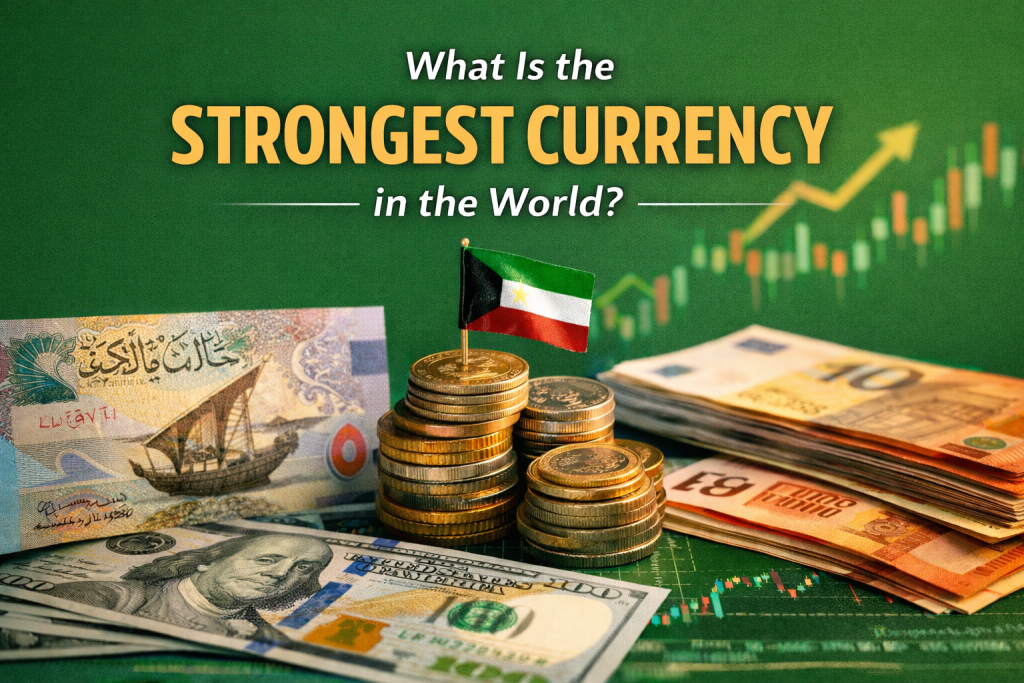
What Is the Strongest Currency in the World? Find Out Which Currency Rules 2026!
When people talk about money, one question always comes up: what is the strongest currency in the world?
Many assume it must be the US Dollar or the Euro. But the real answer often surprises beginners and even experienced traders.
Understanding currency strength is not just useful for economists. It matters to forex traders, investors, travelers, online business owners, and anyone dealing with international payments.
In this guide, you will learn:
- What the world’s strongest currency really is
- How currency strength is measured
- A ranked list of the top 10 strongest currency in the world
- Why the strongest currency is not always the most used
- Common myths that confuse most people
What Is the Strongest Currency in the World? (Simple Meaning)
The strongest currency in the world is the currency that has the highest value compared to other currencies, usually measured against the US Dollar (USD).
In simple words:
If 1 unit of a currency buys more US Dollars, it is considered stronger.
Example:
- If 1 Currency A = 3 USD
- If 1 Currency B = 0.75 USD
Currency A is stronger.
👉 Important:
A strong currency does not mean the country is richer or more powerful. It only shows exchange rate value, not total economic size.
How Currency Strength Is Measured in the Real World
Currency strength is not based on guesswork. It depends on several real factors.
1. Exchange Rate Value
This is the main factor. Most rankings compare currencies against the US Dollar.
Understanding spreads is important when comparing currency values and forex pricing.
2. Inflation Rate
Low inflation helps maintain currency value. High inflation weakens currencies over time.
3. Interest Rates
Higher interest rates often attract foreign investment, increasing demand for the currency.
4. Economic Stability
Countries with stable economies, strong exports, and low debt usually have stronger currencies.
5. Central Bank Policy
Independent and disciplined central banks protect currency strength through smart policies.
The World’s Strongest Currency in 2026 (The Clear Answer)
✅ Kuwaiti Dinar (KWD)
The Kuwaiti Dinar is widely recognized as the world’s strongest currency.
As of recent years:
- 1 Kuwaiti Dinar ≈ 3+ US Dollars
- No other currency consistently beats this value
Why Is the Kuwaiti Dinar So Strong?
- Kuwait has massive oil reserves
- Strong trade surplus
- Stable political system
- Controlled money supply
- High foreign exchange reserves
Kuwait does not print excess money, which keeps its currency strong.
This is why the world strongest currency is not the US Dollar, but the Kuwaiti Dinar.
According to Forbes Advisor, the Kuwaiti Dinar tops the list of strong currencies based on exchange rates.
Top 10 Strongest Currency in the World (Ranked by Value and Stability)
Below is a research-based and widely accepted list of the top 10 strongest currency in the world, ranked primarily by their exchange rate value against the US Dollar, along with economic stability and central bank control.
This ranking reflects how global financial institutions evaluate currency strength, not popularity.
1. Kuwaiti Dinar (KWD) – The World’s Strongest Currency
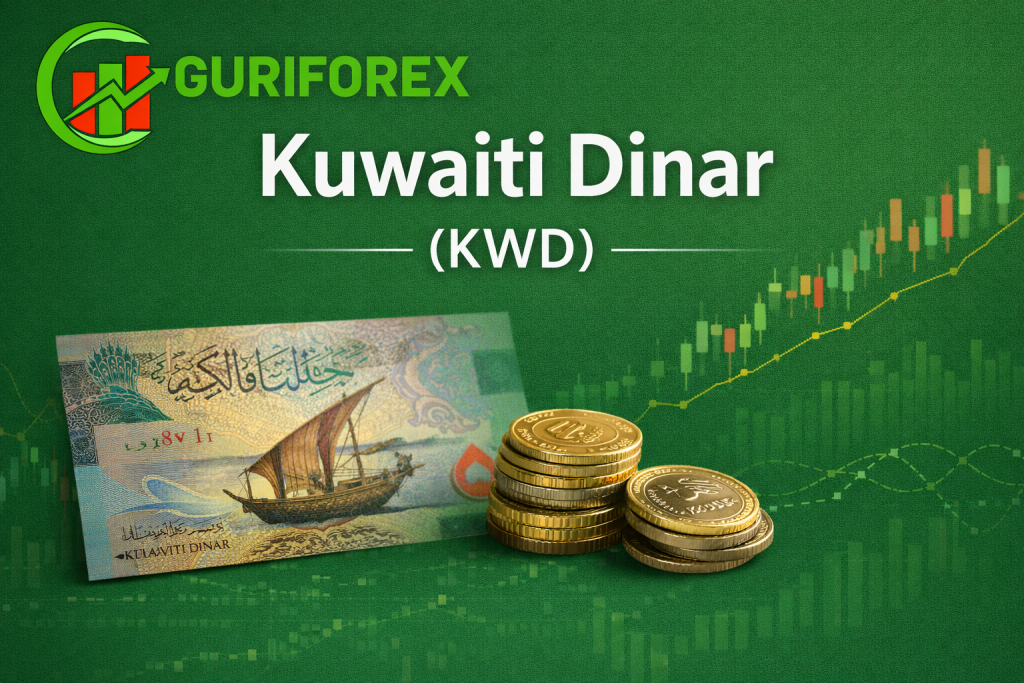
The Kuwaiti Dinar consistently ranks as the world’s strongest currency by exchange value.
- Backed by large oil reserves and strong export revenue
- Very strict control over money supply
- Managed by a disciplined central bank
Kuwait focuses on currency stability rather than volume, which keeps the KWD extremely strong. According to financial rankings, the Kuwaiti Dinar remains the strongest currency in 2026 with a value above 3 USD per unit.
2. Bahraini Dinar (BHD) – Strong and Dollar-Pegged
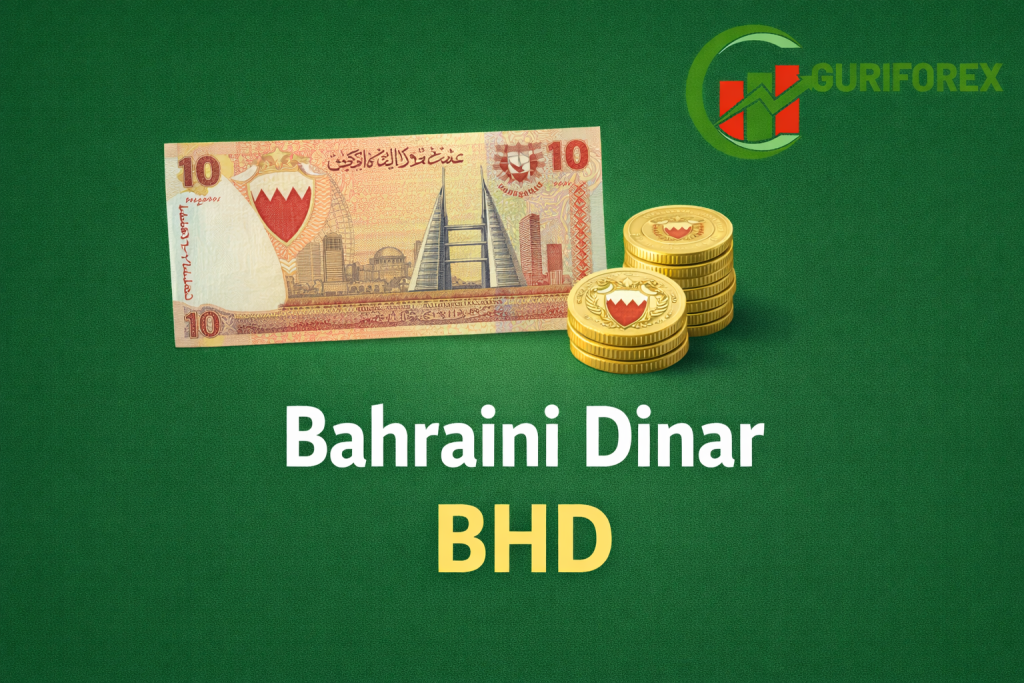
The Bahraini Dinar holds a high value due to a stable, oil-supported economy.
- Closely pegged to the US Dollar
- Strong financial and banking sector
- Limited currency circulation
The USD peg adds confidence and stability for investors and businesses.
3. Omani Rial (OMR) – High Value with Tight Control
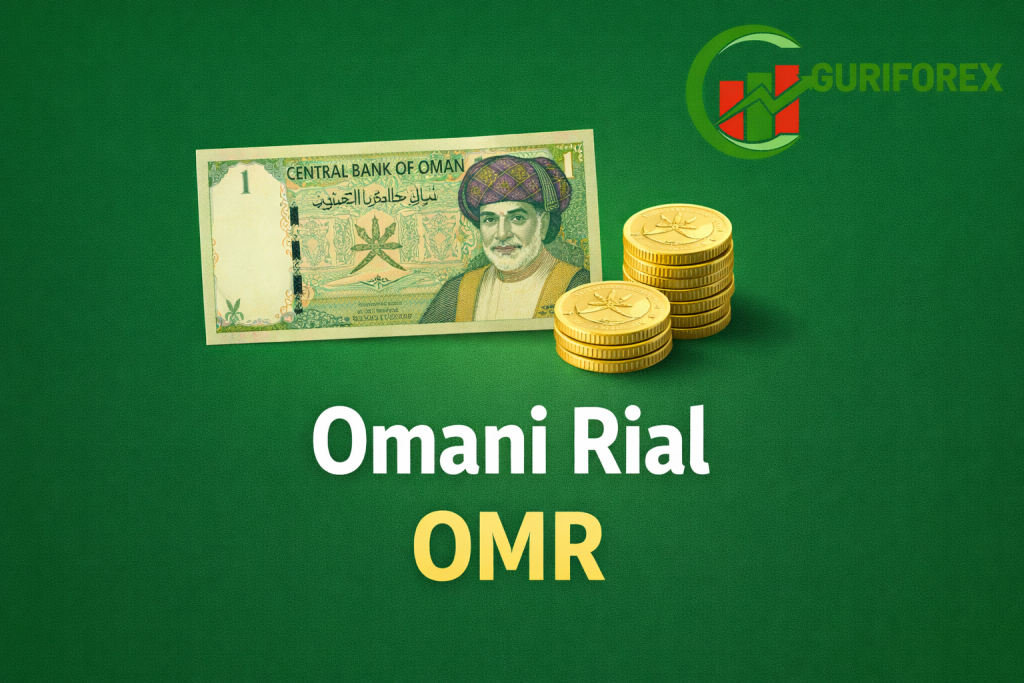
The Omani Rial remains one of the strongest currencies due to careful economic planning.
- Controlled money supply
- Stable government and fiscal discipline
- Supported by energy exports
Oman prioritizes long-term currency strength over short-term growth.
4. Jordanian Dinar (JOD) – Strong Despite Limited Resources
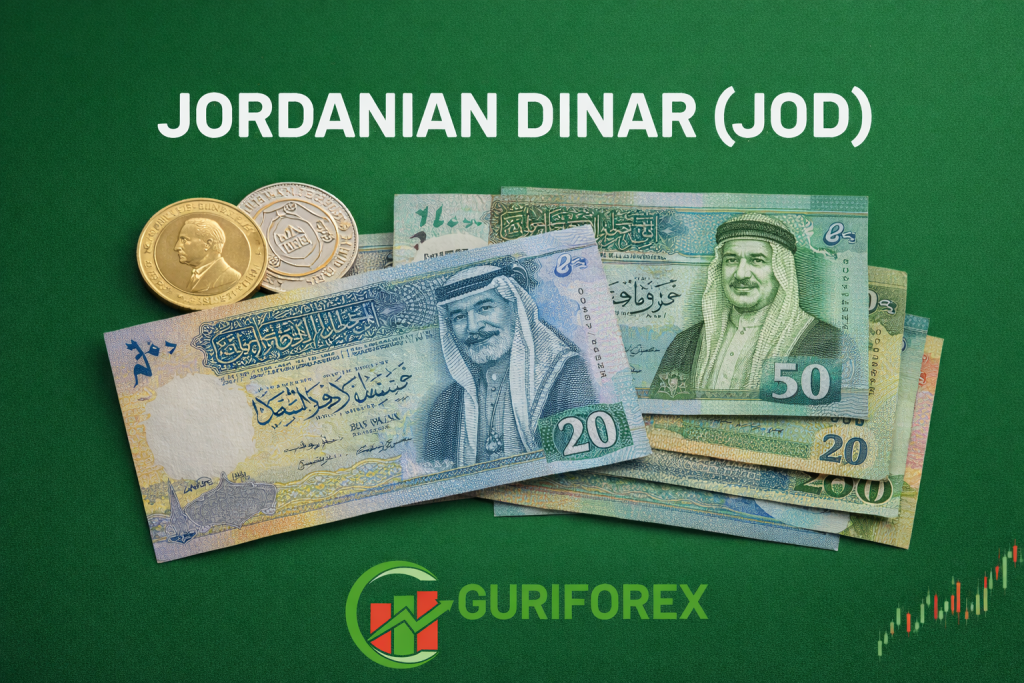
The Jordanian Dinar is a unique example of stability without heavy natural resources.
- Pegged to the US Dollar
- Well-managed by the central bank
- Strong monetary discipline
This shows that policy management can be as important as natural wealth.
5. British Pound Sterling (GBP) – Historic and Financially Strong
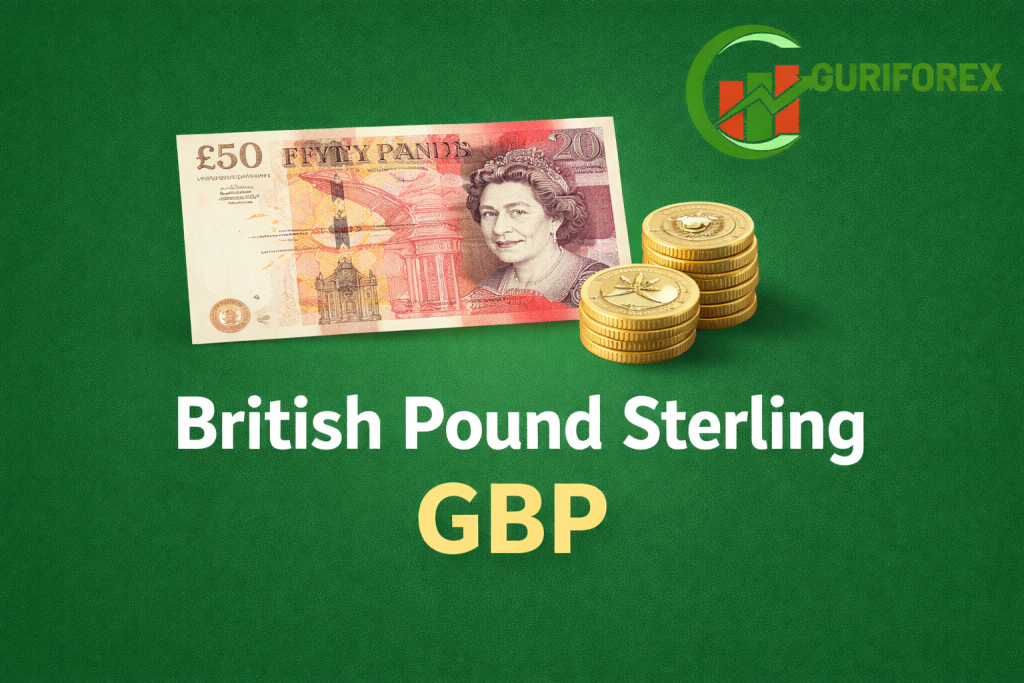
The British Pound is one of the oldest and most trusted currencies in the world.
- Backed by London’s global financial markets
- High liquidity and international trust
- Strong legal and banking framework
Although its value fluctuates, the GBP remains among the strongest currencies in the world.
6. Cayman Islands Dollar (KYD) – Strong Financial Hub Currency
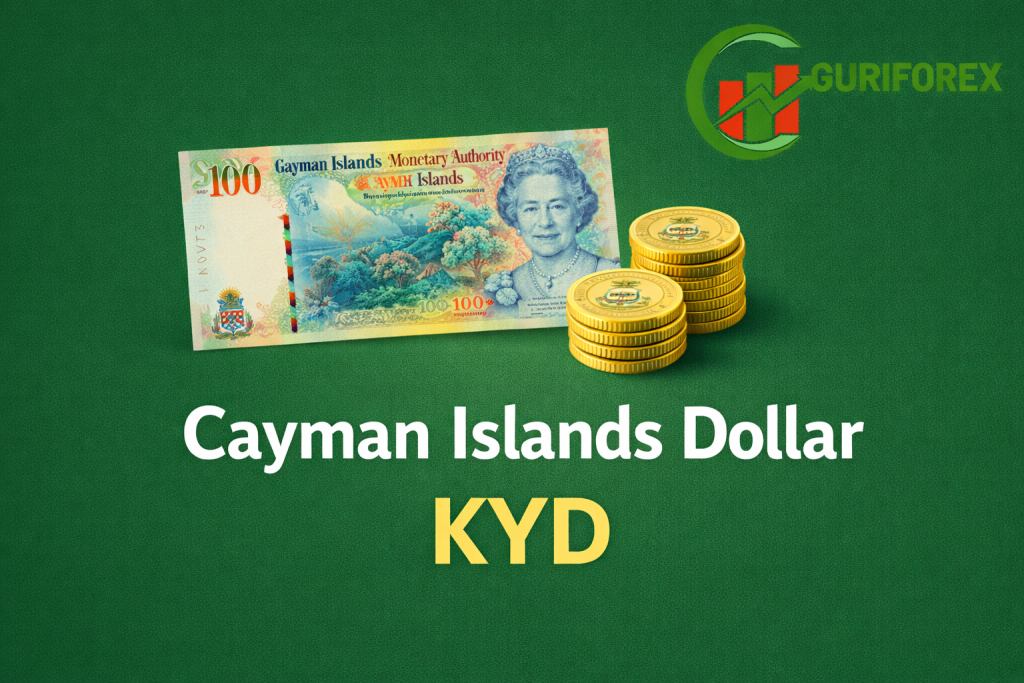
The Cayman Islands Dollar holds a high value due to its financial-services-driven economy.
- Pegged above the US Dollar
- Supported by offshore banking and investment activity
- Stable and tightly regulated
Its strength reflects financial confidence, not trade volume.
7. Swiss Franc (CHF) – The Global Safe-Haven Currency

The Swiss Franc is widely trusted during economic uncertainty.
- Backed by Switzerland’s political neutralit
- Strong banking system
- Low inflation and high reserves
During global crises, investors often move money into CHF for safety.
8. Euro (EUR) – Strong but Regionally Influenced

The Euro is one of the most important global currencies.
- Used by multiple European countries
- Strong trade and economic base
- Value influenced by regional policies
Because it represents many economies, its strength can vary with regional conditions.
9. US Dollar (USD) – Most Powerful, Not the Strongest

The US Dollar is the most traded and widely used currency globally.
- Global reserve currency
- Dominates international trade and commodities
- High liquidity and trust
However, in terms of exchange rate value, it is not the strongest currency in the world.
10. Canadian Dollar (CAD) – Stable and Commodity-Backed

The Canadian Dollar rounds out the list with consistent stability.
- Supported by natural resources like oil and metals
- Strong banking system
- Stable economic policies
It is not the highest in value but remains one of the most reliable global currencies.
This ranking is based on:
- Exchange rate comparisons against USD
- Central bank policy strength
- Economic stability and inflation control
- Long-term consistency, not short-term fluctuations
Currency strength rankings may change slightly over time, but these currencies have historically remained among the strongest.
Why the Strongest Currency Is Not the Most Popular One
Many people ask:
If the Kuwaiti Dinar is the strongest, why don’t we use it globally?
Here’s the simple reason.
Strength ≠ Popularity
- The US Dollar is used in:
- International trade
- Oil pricing
- Forex reserves
- The Kuwaiti Dinar is mainly used locally
A currency can be:
- Strong (high value)
- Popular (widely used)
- Liquid (easy to trade)
The USD wins in popularity, not strength.
Times of India lists the highest-valued global currencies and explains why they rank as strongest.
Strongest Currencies in the World vs Weak Currencies
Strong Currency Benefits
- Higher purchasing power
- Lower import costs
- Stable international value
Weak Currency Effects
- Expensive imports
- Inflation pressure
- Lower global trust
But weak currencies can help exports, while strong currencies can hurt them. Balance matters.
Is the Most Strongest Currency in the World Always Good?
Not always.
Pros of a Strong Currency
- Citizens can buy foreign goods cheaply
- Strong investor confidence
- Economic stability
Cons of a Strong Currency
- Exports become expensive
- Tourism may decline
- Local businesses face competition
That’s why some countries intentionally keep their currency weaker to boost exports.
Professional traders follow a structured framework instead of relying only on currency strength.
How Traders Use the World’s Strongest Currency
From a forex trading perspective:
- Strong currencies are often used as base currencies
- Safe-haven currencies (like CHF) gain during crises
- Traders focus on interest rate differences, not just value
Professional traders don’t trade based on “strongest currency” alone. They trade movement and volatility. Many beginners misunderstand order types, which affects how they trade strong and weak currencies.
Common Myths About the World’s Strongest Currency
Myth 1: The US Dollar Is the Strongest Currency
❌ False
It is the most used, not the strongest.
Myth 2: High Value Means Strong Economy
❌ False
Currency value is relative, not absolute.
Myth 3: Strong Currency Never Falls
❌ False
All currencies are affected by global events.
Why Understanding Currency Strength Matters
Knowing what is the strongest currency in the world helps you:
- Avoid false assumptions
- Understand forex markets better
- Make smarter travel and investment decisions
- Read financial news correctly
This knowledge separates informed traders from confused beginners.
Final Verdict: What Is the Strongest Currency in the World?
The Kuwaiti Dinar (KWD) is the world’s strongest currency by value.
But remember:
- Strength does not equal dominance
- Popularity does not equal value
- Smart decisions come from understanding the difference
Whether you are a trader, investor, student, or curious learner, understanding currency strength gives you a real edge.
Frequently Asked Questions
What is the strongest currency in the world?
The strongest currency in the world is the Kuwaiti Dinar (KWD). It has the highest exchange rate value against the US Dollar and remains strong due to stable economic and monetary policies.
Why is the Kuwaiti Dinar considered the world’s strongest currency?
The Kuwaiti Dinar is strong because of large oil reserves, low inflation, and strict control over money supply. These factors help maintain its high value over time.
Is the US Dollar the strongest currency in the world?
No, the US Dollar is not the strongest by value. It is the most widely used and powerful currency globally, but several currencies have a higher exchange rate.
How is currency strength measured?
Currency strength is measured by comparing exchange rates against the US Dollar, along with factors like inflation, interest rates, and economic stability.
Does a strong currency mean a strong economy?
Not always. A strong currency only shows high exchange value. A country’s economy depends on many other factors such as growth, productivity, and employment.
Why don’t countries try to have the strongest currency in the world?
An extremely strong currency can hurt exports and reduce global competitiveness. That is why many countries prefer balanced currency strength.
Do the strongest currencies change over time?
Yes, currency rankings can change due to inflation, interest rates, and global economic conditions.
Is the strongest currency best for forex trading?
No, forex traders focus more on price movement and volatility than on currency value alone.
Which currency is safest during global crises?
The Swiss Franc (CHF) is considered a safe-haven currency because of Switzerland’s financial stability and low inflation.
Why is the Euro strong but not the strongest currency in the world?
The Euro is strong because it represents multiple economies, but differences between member countries limit its overall strength.
Disclaimer: This article is for educational purposes only and does not provide financial or investment advice. Currency values and rankings may change over time due to market conditions.