

How to Trade Momentum Stocks: A Simple Global Strategy for NYSE & NASDAQ Traders
Momentum stocks attract traders from all over the world because they move fast, create frequent opportunities, and can deliver strong profits when traded with discipline. From beginners placing their first stock trade to experienced traders searching for high-probability setups, momentum trading remains one of the most effective styles in global markets like NYSE and NASDAQ.
Momentum trading, however, is not about chasing prices or reacting emotionally. It requires a clear understanding of price behavior, volume, timing, and risk control. Through several years of observing real trading activity across stocks and other global markets while working on the broker side, one thing became clear: traders who follow momentum with structure and risk management consistently perform better than those who trade on impulse.
This guide focuses on practical logic, common trader mistakes, and simple rules that align with how momentum actually behaves in real NYSE and NASDAQ market conditions. You will learn how to trade momentum stocks step by step using clear examples and easy-to-follow explanations.
What Is Momentum Trading in Stocks?
Momentum trading is a strategy where traders buy stocks that are already moving strongly in one direction, usually upward, with the expectation that the move will continue for some time.
In simple terms:
- Strong stocks tend to stay strong
- Weak stocks tend to stay weak
Momentum trading is a core part of modern stock trading, especially in fast-moving markets like NYSE and NASDAQ. If you are new and want to clearly understand what is stock trading and how it differs from other markets, this comparison explains it well: https://guriforex.com/forex-trading-vs-stock-trading-comparison/
Unlike long-term investing, momentum trading focuses on price speed, volume, and trader behavior, not company fundamentals alone.
How Momentum Trading Actually Works
Momentum exists because of human psychology and institutional activity.
When a stock starts moving up:
- Institutions begin buying
- Retail traders notice the move
- News and scanners highlight the stock
- More buyers jump in due to fear of missing out (FOMO)
This creates a chain reaction where price accelerates.
Momentum traders do not predict bottoms. Instead, they react to strength and trade with the market, not against it.
Key Characteristics of Strong Momentum Stocks
Not every fast-moving stock is worth trading. High-quality momentum stocks usually have these four features that make them easier to identify and trade successfully:
1. Strong Price Trend
The stock shows:
- Higher highs
- Higher lows
- Clean directional movement
2. Unusual Volume
Volume confirms momentum. A real momentum move always comes with above-average trading volume.
3. Clear Catalyst
Momentum often starts due to:
- Earnings reports
- News releases
- Sector strength
- Market sentiment shifts
4. Clean Chart Structure
Good momentum stocks move cleanly, without excessive randomness or wild wicks.
Not sure which trading style fits your schedule and personality?
Momentum stocks can be traded on multiple timeframes, and choosing the right one can make a huge difference in your success.
Day Trading Momentum Stocks
- Trades are opened and closed the same day
- Focus: Intraday breakouts and rapid price movements
- Why it matters: Quick profits are possible, but decisions must be fast and disciplined
- Example: A stock surging 5% in the first hour can offer short-term momentum trades that end before the market closes
Swing Trading Momentum Stocks
- Trades are held for days or weeks
- Focus: Pullbacks in strong trends
- Why it matters: Allows you to capture larger moves with less screen time, ideal if you cannot watch markets constantly
- Example: A NASDAQ tech stock trending upward after earnings might continue for several days, providing swing trading opportunities
Both styles work globally on NYSE and NASDAQ if proper rules are followed, including risk management, trend confirmation, and volume observation.
Want to know the simple indicators that most successful momentum traders rely on?
Momentum trading works best when you keep things simple and focus on indicators that confirm real strength. Here are the most effective ones:
1) Moving Averages (MA)
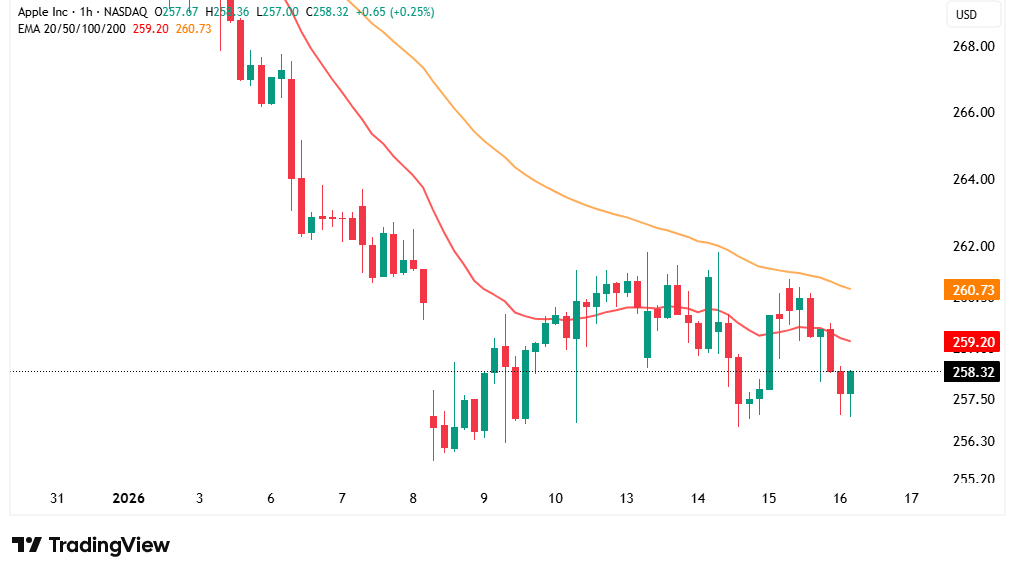
- 20 EMA → Tracks short-term momentum
- 50 EMA → Shows trend support and major directional bias
Why it matters: Combining short and medium-term EMAs helps you spot when a stock is accelerating in the right direction.
Example: A stock crossing above its 20 EMA while staying above 50 EMA indicates a healthy upward momentum.
2) Relative Strength Index (RSI)
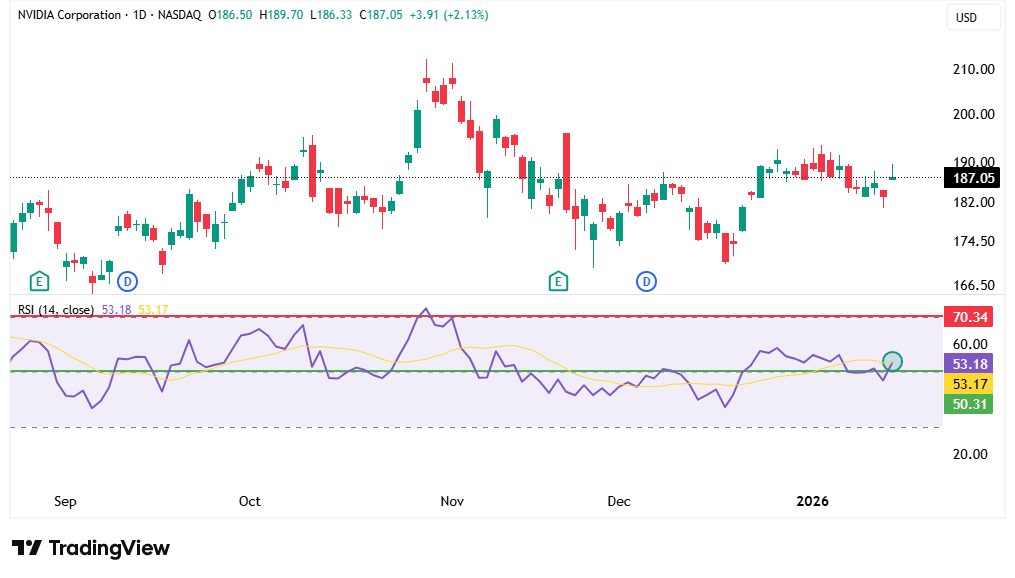
- RSI above 50 → Shows bullish momentum
- RSI near 70 → Indicates a strong trend (not automatically overbought)
Why it matters: RSI helps you measure momentum strength rather than guessing from price action alone.
Example: A stock rising with RSI moving from 55 → 65 suggests buyers are in control.
3) Volume
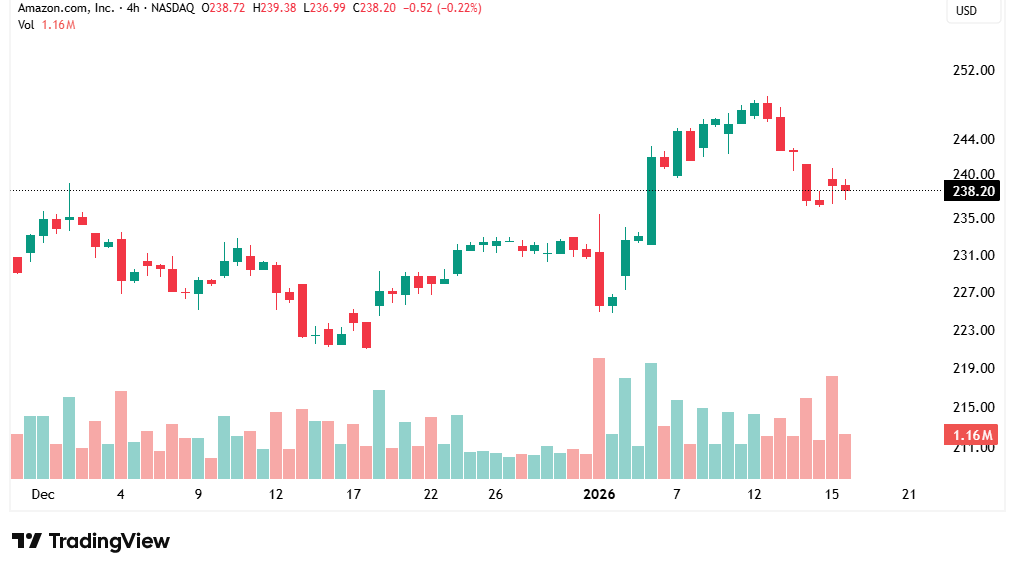
- Confirms whether a momentum move is real or fake
Why it matters: High volume alongside price moves shows participation from more traders, making the trend more reliable.
Example: A sudden 5% price jump on triple the normal volume is likely true momentum, not a fake spike.
4) VWAP (For Day Traders)
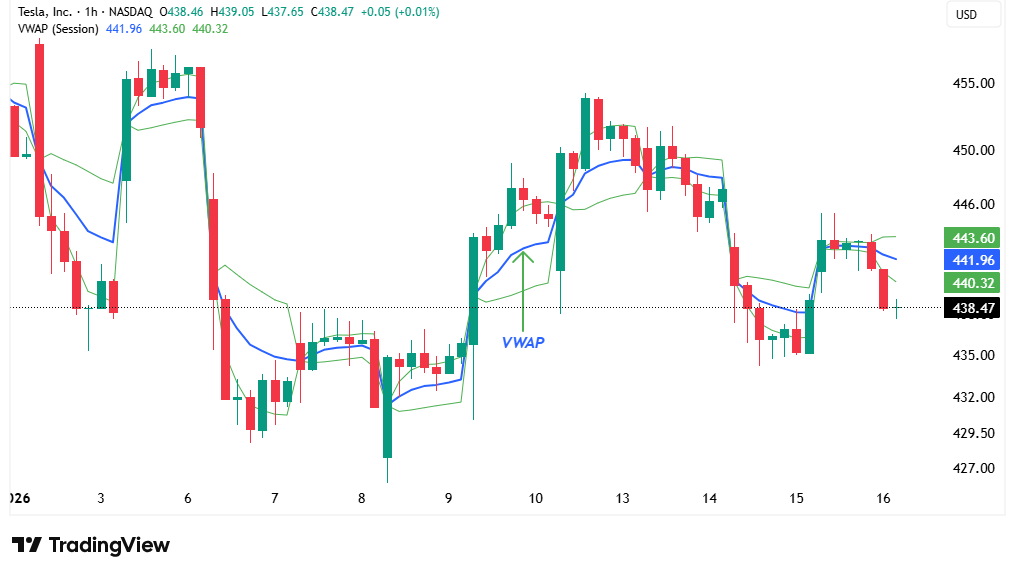
- Shows the average price weighted by volume, useful to spot institutional activity during the session
Why it matters: Traders can align with institutional flows to increase the odds of success in intraday momentum trades.
Example: Buying above VWAP during an uptrend shows alignment with institutional buyers.
Summary: Momentum trading doesn’t need dozens of indicators. Using MA, RSI, Volume, and VWAP strategically keeps your strategy simple, focused, and consistent — key ingredients for long-term success in global markets like NYSE and NASDAQ.
Technical confirmation of trend strength — such as using RSI and moving averages — is a core part of momentum strategies in real markets.
How to Find Momentum Stocks Daily
Want to find momentum stocks before most traders notice them? Finding them daily is a skill, not luck. Here are the most effective ways to spot strong momentum:
1) Stock Scanners
- Use scanners to filter stocks by:
- Price change %
- Volume
- Relative strength
Why it matters: Scanners save time and highlight stocks that are moving more than usual, helping you focus on true momentum.
Example: A scanner showing a stock up 6% with higher-than-average volume can quickly reveal a potential trade.
2) Pre-Market Movers
- Stocks moving strongly before the market opens often continue their momentum after the open.
Why it matters: Early movers often indicate institutional interest and set the trend for the day.
Example: A NASDAQ stock up 4% pre-market after a news release can carry its momentum into the first trading hour.
3) Sector Strength
- Momentum often spreads within sectors. When one stock moves, others in the same sector frequently follow.
Why it matters: Identifying strong sectors helps you pick multiple momentum candidates instead of relying on a single stock.
Example: If tech ETFs are trending up, stocks like Apple, Microsoft, or Nvidia may follow the sector momentum.
4) Relative Volume
- High relative volume means a stock is attracting more attention than usual.
Why it matters: It confirms that the price move is supported by trader participation, making the trend more reliable.
Example: A stock trading 3x its normal volume while moving up indicates real momentum rather than random noise.
Finding momentum stocks daily requires tools, observation, and sector awareness. Using scanners, monitoring pre-market activity, watching sector trends, and checking relative volume can help you consistently identify strong momentum opportunities in global markets like NYSE and NASDAQ.
How to Trade Momentum Stocks: Entry Strategies
Breakout Entry Strategy
This is the most popular momentum entry, especially among day traders.
How it works:
- Identify a clear consolidation area or resistance level
- Enter the trade only when price breaks above resistance
- Confirm the move with strong volume
- Make sure the overall trend is aligned with the breakout
Why it works:
Breakouts signal fresh buying pressure. When volume supports the breakout, it often attracts more traders, pushing the price higher.
Pullback Entry Strategy
This approach is safer and commonly preferred by experienced traders.
How it works:
- Identify a strong uptrend
- Wait for price to pull back toward a moving average (like 20 EMA or 50 EMA)
- Enter when price resumes the trend with confirmation
Why it works:
Instead of chasing highs, pullbacks allow traders to enter at better prices while staying aligned with the main trend.
🚫 When NOT to Enter Momentum Trades
Knowing when not to trade is just as important as knowing when to enter.
Avoid entries:
- After a huge, extended move without consolidation
- When volume is declining, even if price is rising
- Near major resistance levels without clear confirmation
These situations often lead to false breakouts or quick reversals.
Stop Loss and Risk Management
Momentum trading without risk management does not fail slowly — it fails suddenly. Fast-moving stocks can erase weeks of profits in minutes if protection is ignored. That is why professional traders treat risk control as non-negotiable.
📍 Where to Place Stop Loss
A stop loss should be placed where your trade idea becomes invalid — not where fear feels comfortable.
Common stop loss locations include:
- Below recent support levels
- Below a key moving average (such as 20 EMA or 50 EMA)
- Based on chart structure, not emotions or guesswork
This approach allows price to move naturally while protecting you from major damage.
📊 Risk Per Trade Rule
A simple rule keeps momentum traders alive long-term:
- Risk only 1–2% of your total capital per trade
This ensures that even a series of losing trades does not destroy your account or confidence.
🔒 Why Risk Control Matters
Momentum stocks move fast — both up and down. Gains can come quickly, but losses can hit even faster. Proper stop losses and position sizing:
- Reduce emotional stress
- Protect capital
- Create consistency over time
This honesty about risk is what separates real trading from gambling. Staying in the game matters more than winning every trade.
Profit Booking Strategies in Momentum Trading
Making profits is not the hardest part of momentum trading — keeping them is. Strong momentum stocks can reverse quickly, which is why exit planning is just as important as entry planning.
💰 Partial Profit Method
This method balances confidence with protection.
How it works:
- Take partial profits near key resistance levels
- Allow the remaining position to continue with the trend
Why it helps:
Booking partial profits reduces emotional pressure and protects gains while still giving you exposure if the momentum continues.
📈 Trailing Stop Strategy
A trailing stop helps you stay in strong trends without guessing the top.
How it works:
- Gradually move your stop loss higher as price moves up
- Lock in profits while allowing room for natural pullbacks
This strategy is especially effective in trending momentum stocks.
🚪 Exit When Momentum Slows
Momentum does not last forever. Knowing when to exit prevents giving profits back.
Warning signs include:
- Decreasing volume during price advances
- Failed breakouts after strong moves
- Breaks in trend structure, such as lower highs or lower lows
Exiting during early weakness often protects more capital than waiting for a full reversal.
Best Trading Days and Timing for Momentum Stocks
Momentum does not perform equally on every day or in every market session. Knowing when to trade is just as important as knowing what to trade.
Understanding stock trading days helps traders avoid overtrading during slow periods and focus on sessions with real participation.
📅 When Momentum Is Strongest
Momentum stocks tend to perform best during:
- High-volume trading sessions, when institutional activity is present
- Earnings seasons, as news-driven volatility creates strong price movement
- Broad market trends, where multiple stocks move in the same direction
During these periods, price moves are cleaner, volume confirms direction, and momentum strategies become more reliable.
⚠️ When Momentum Often Weakens
While not every slow day should be avoided, momentum tends to struggle:
- During low-volume or holiday sessions
- When markets are range-bound or indecisive
Being selective with timing improves consistency and protects capital.
Real Momentum Stock Example (NYSE / NASDAQ)
Seeing a real example helps turn theory into action. Below is a simple momentum stock scenario commonly seen on NYSE or NASDAQ.
📊 Example Scenario
Imagine a NASDAQ-listed stock that:
- Breaks a clear resistance level after earnings
- Shows 3x its average trading volume
- Holds above the 20 EMA, confirming short-term strength
These conditions often signal strong momentum backed by both news and participation.
📝 Trade Plan Example
A structured plan keeps emotions under control.
- Entry: Enter after a confirmed breakout with strong volume
- Stop Loss: Place below the breakout level to protect against false moves
- Target: Look toward previous resistance zones as potential profit areas
- Trade Management:
- Take partial profits at key levels
- Use a trailing stop to stay in the trend
Why This Works
This approach follows momentum instead of predicting price. Clear rules for entry, risk, and exits:
- Reduce emotional decision-making
- Improve consistency
- Help traders stay disciplined in fast-moving markets
Common Mistakes Traders Make in Momentum Trading
Most traders do not lose because momentum trading is flawed — they lose because of repeated, avoidable mistakes. Momentum strategies reward patience and structure, not excitement or impulse.
🚫 Biggest Mistakes to Avoid
- Chasing late entries
Entering after a stock has already made a huge move often leads to sharp pullbacks and losses. - Ignoring volume confirmation
Price moves without volume lack conviction and frequently fail. - Overtrading every price movement
Not every fast move is a valid setup. Selectivity matters. - Trading without a clear plan
Entering without defined entry, stop loss, and exit rules turns trading into guessing. - Moving stop losses emotionally
Adjusting stops out of fear usually increases losses instead of reducing them.
Momentum trading rewards discipline, patience, and consistency. Traders who respect structure survive long enough to benefit from momentum — those who chase excitement usually do not.
Is Momentum Trading Right for You?
Before using any strategy, the most important question is whether it fits you. Momentum trading rewards discipline and speed, but it also demands emotional control.
✅ Momentum Trading May Be Right for You If:
- You are comfortable making quick, well-planned decisions
- You can follow trading rules consistently, even after losses
- You manage emotions instead of reacting to them
- You understand that trading is about probabilities, not certainty
❌ Momentum Trading May Not Be Right for You If:
- High volatility causes stress or hesitation
- You avoid using stop losses
- You expect guaranteed returns or risk-free trades
No strategy works without self-awareness. When your mindset aligns with your trading approach, momentum trading becomes structured and manageable rather than stressful.
Final Thoughts: Trade Momentum, Not Emotions
Momentum trading can be a powerful approach when applied with structure, patience, and discipline. It is not about predicting the market or catching every move. It is about identifying strength, managing risk, and staying consistent over time.
Global markets like NYSE and NASDAQ offer regular momentum opportunities, but success depends more on behavior than strategy. Traders who respect rules, control emotions, and focus on probabilities are far more likely to survive and improve.
Momentum will always exist in the markets — but only disciplined traders benefit from it. If you approach momentum trading as a process rather than a shortcut, it can become a reliable part of your stock trading journey.
Frequently Asked Questions (FAQs)
What is momentum trading in stocks
Momentum trading is when traders buy stocks that are already moving strongly, expecting the move to continue for a short period.
Is momentum trading good for beginners
It can work if beginners follow rules, use stop losses, and avoid emotional decisions.
Which markets are best for momentum trading
Momentum trading works best in liquid markets like NYSE and NASDAQ where volume is high.
How much capital do I need for momentum trading
There is no fixed amount, but traders usually risk only 1–2% of their capital per trade.
What timeframe is best for momentum trading
Day traders use intraday charts, while swing traders use daily charts depending on their availability.
Do momentum traders use indicators
Yes, simple indicators like moving averages, RSI, volume, and VWAP are commonly used.
Can momentum trading work in sideways markets
It works best in trending markets; in sideways or low-volume markets, momentum signals are less reliable.
Is momentum trading risky
Yes, momentum stocks move fast, so proper risk management and stop losses are essential.
Disclaimer
This article is for educational and informational purposes only. It does not provide financial or investment advice. Trading stocks involves risk, and losses can exceed expectations if risk is not managed properly. Always do your own research and trade responsibly.




4 thoughts on “How to Trade Momentum Stocks: A Proven Strategy Smart NYSE & NASDAQ Traders Use”
Pingback: Will the Stock Market Crash This Year? Lessons From History and Market Trends
Pingback: Equity Trading Secrets: What Most Beginners Get Wrong
Pingback: Stock Market Pessimist: Why Some Investors Always Expect a Crash
Pingback: Why Renewable Energy Stocks Are the Smartest Investment for 2026